blog
Writing.
Technical writing when I have something worth saying. Not a newsletter. Not a content strategy.

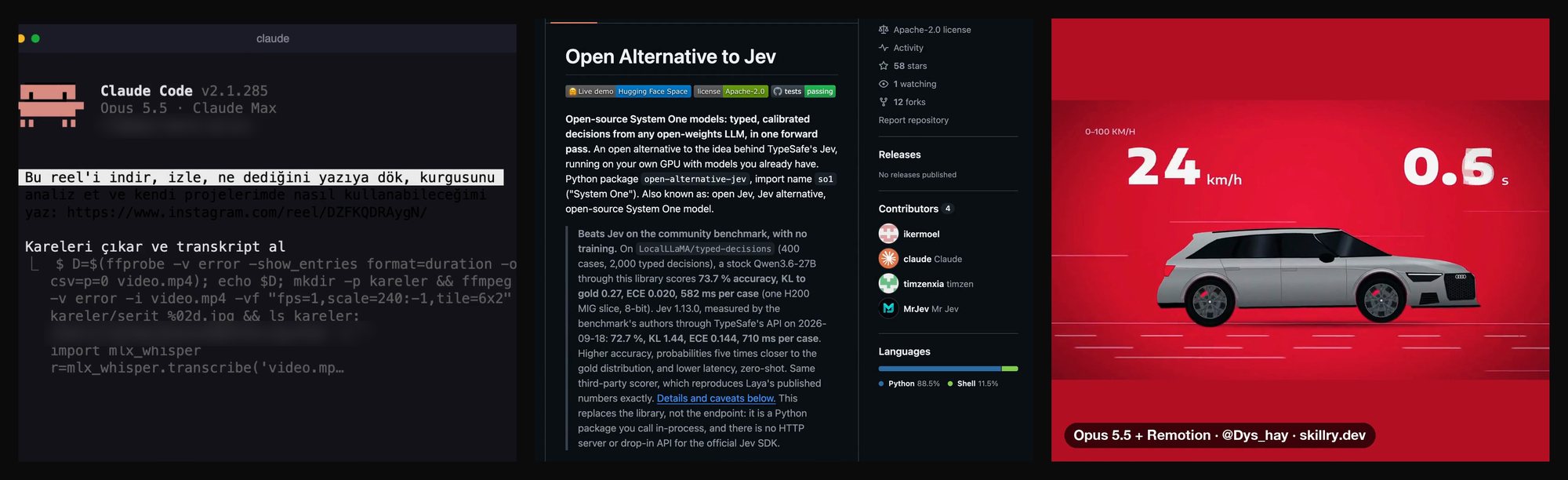 01No Editing Software: Cutting a Reel with Claude Code and Remotion, Step by StepThis week everyone on X is making motion graphics from code with Opus 5.5. Today I used the same thing to edit three of my reels. No editing software, no image or video model; just Claude Code and Remotion.Read the piece →
 02Jev Doesn’t Write, It Decides: I Opened It Up, Built a Product, and Measured How Honest It IsJev writes no text, can’t count and can’t see images. You give it a state and typed questions, it returns probabilities. What runs inside, RLHF vs RLVR vs RLCD, an outfit finder where the catalogue lives in code and the judgement in Jev, a live judge listening to me, and a calibration test on 598 sentences from my own edit — with the honest result.Read the piece →
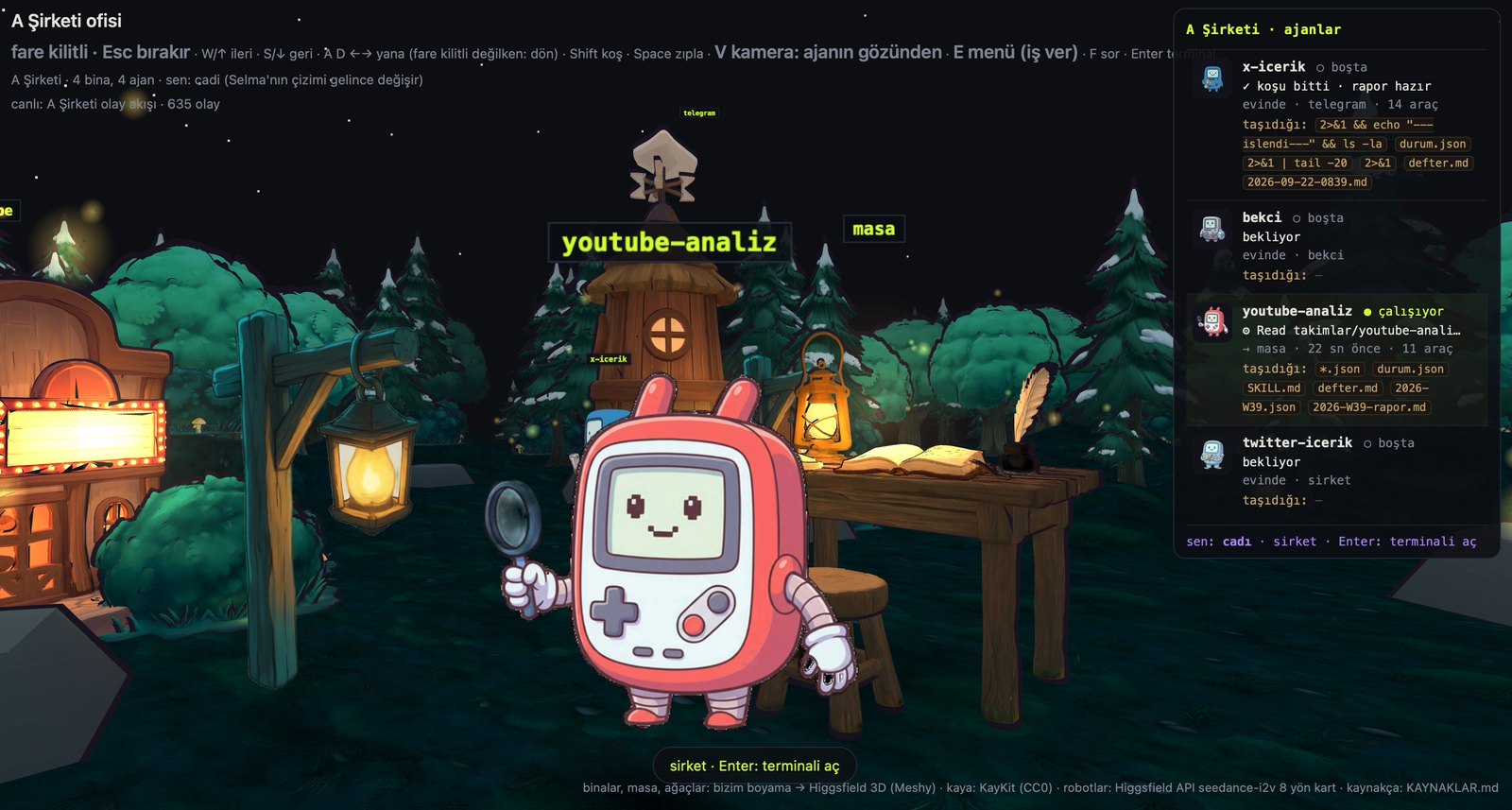 03I Built My Agents an Office in 3D: Claude Code + the Higgsfield APIMy agent company had a flat 2D map. In one day it became a 3D office I can walk through: the buildings, trees and desk are my own paintings turned into meshes, the robots face eight directions, and the agents really walk while they work. Eleven steps, one API key, 20.50 USD and 249 credits — and eight models on this page you can spin with your mouse.Read the piece →
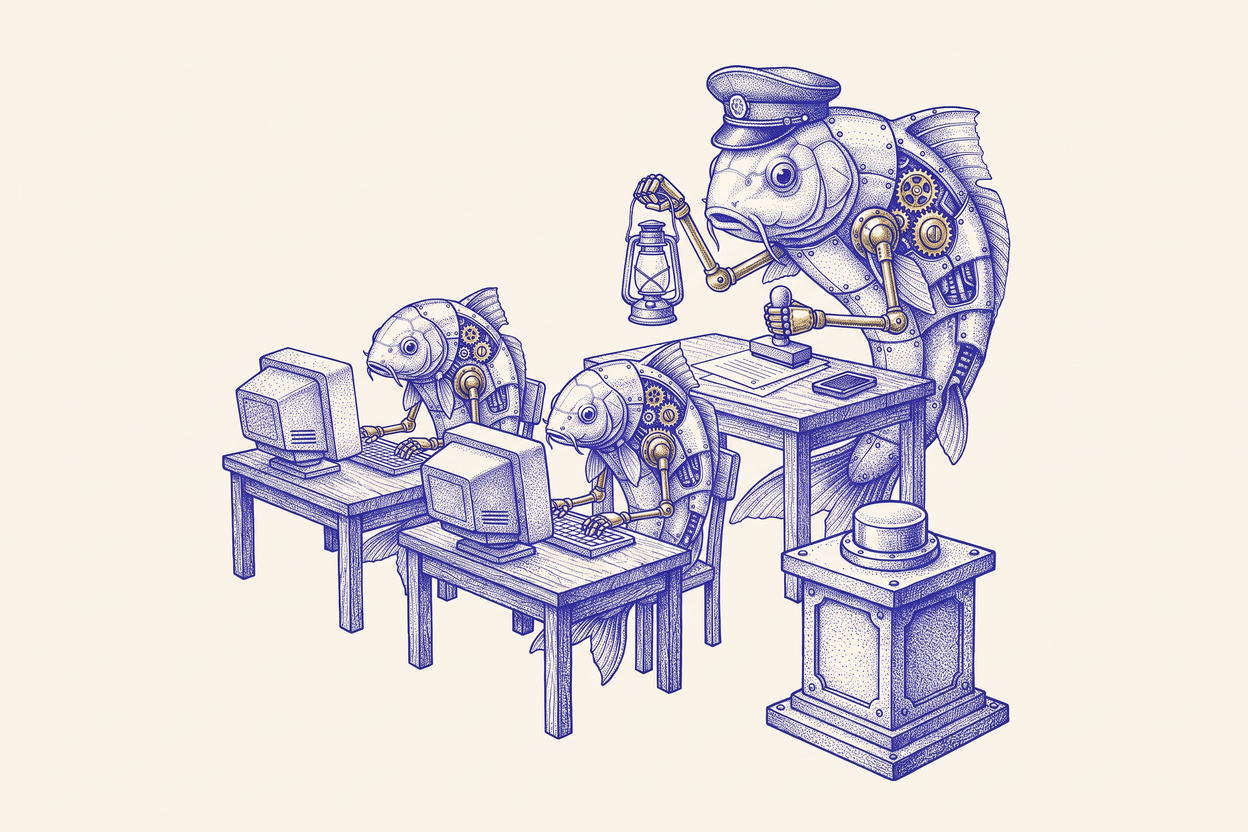 04A Şirketi — Three Agents, One Guard, One Closed Loop: The Skeleton of My AI Company, on GitHubYou send a link to a Telegram bot. One agent verifies every claim back to its source, a second turns it into a publish-ready package, a guard from another model family checks both — and the system stops, because the publish button stays human. Four files per agent, a five-article constitution, twelve prompts, MIT.Read the piece →
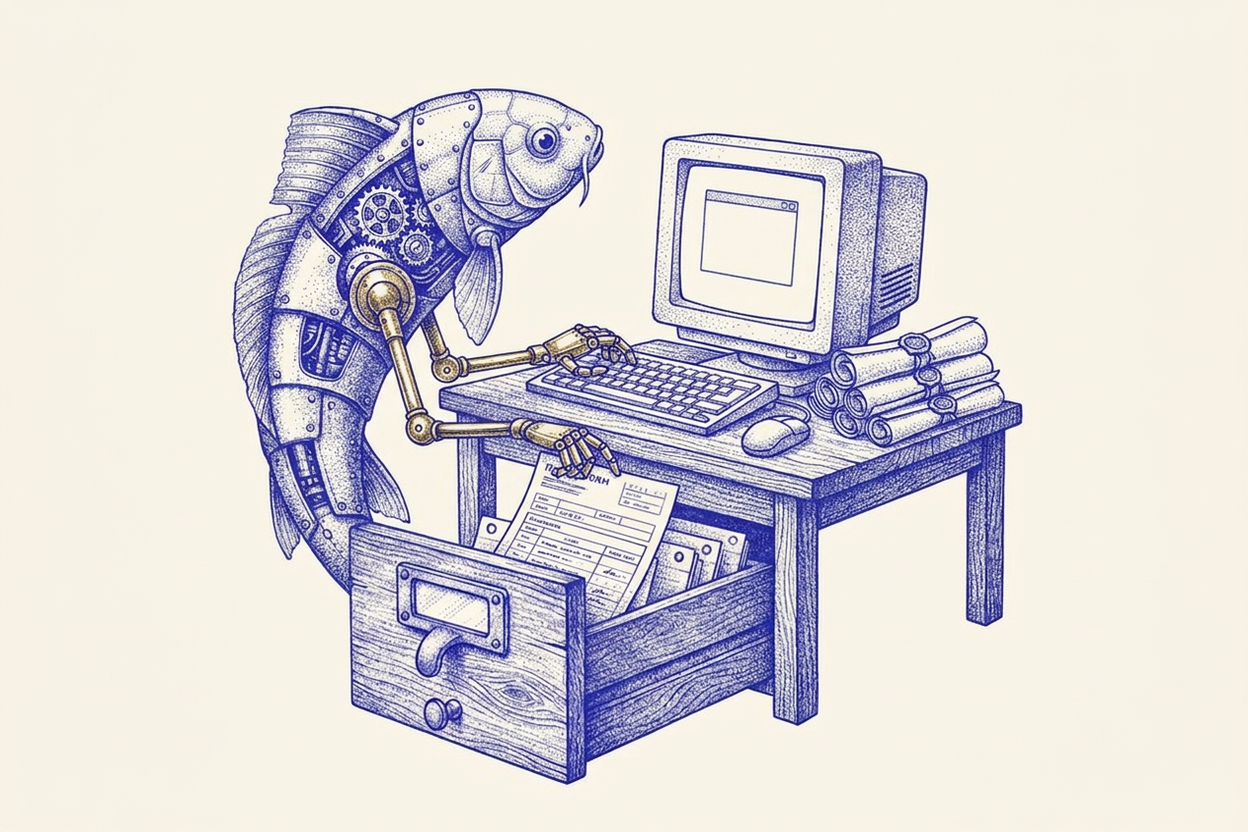 05GPT-6 Astra Uses a Computer Better Than You — 6 Jobs to Hand It, and the Billing TrapCoding benchmarks say the two models are neck and neck. The real story is outside the chat window: Astra sees the screen, clicks, files the form, ships the site. What to hand it, how to talk to it, and the 272,000-token line that quadruples your bill.Read the piece →
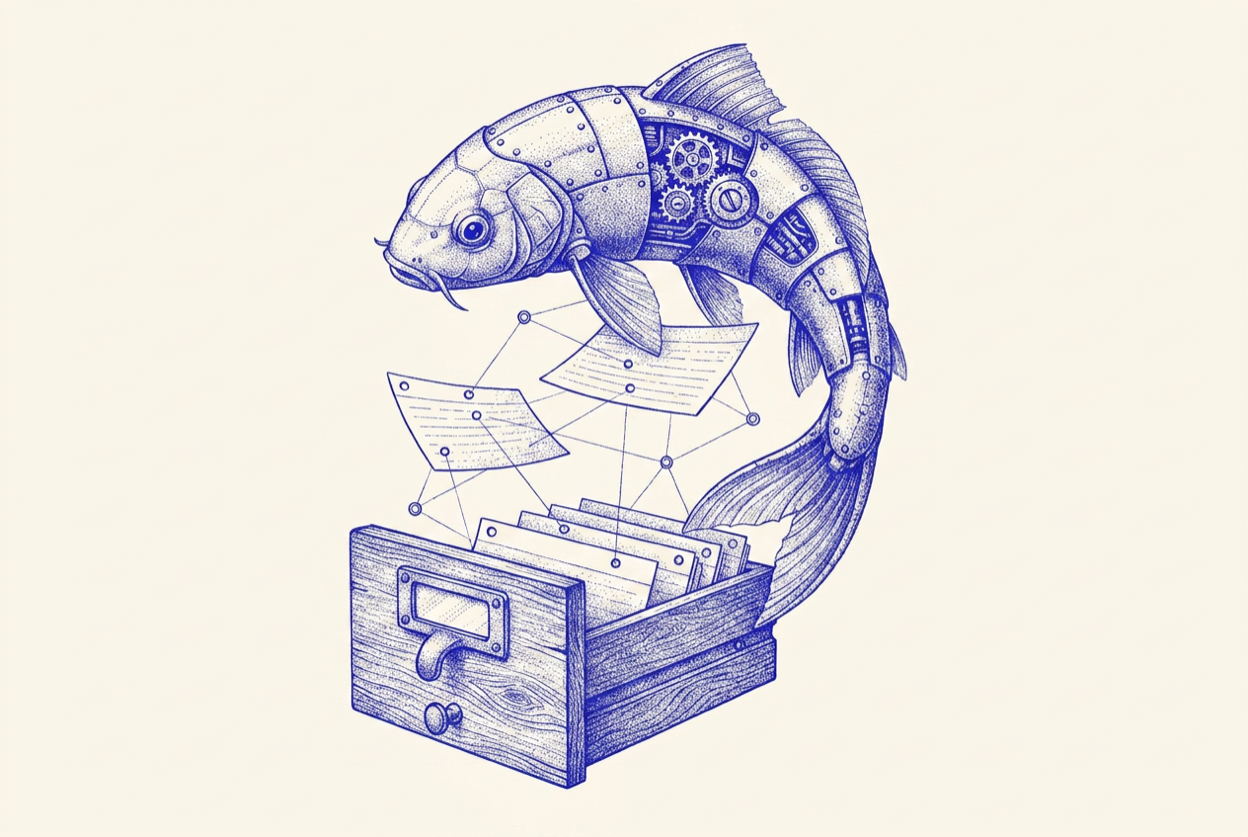 06Agent Memory From Zero — the 51-Minute Build, Written Down in Six PartsWhat we call agent memory is the right file being read at the right moment. Token pain, RAG, graphs, Claude Code’s auto memory, an LLM wiki built on camera, Obsidian, NotebookLM and Hermes — six parts, each paired with its chapter of the video.Read the piece →
 07Which One Is Real, Which Is AI? Making Indistinguishable UGC Ads with Claude Code + HiggsfieldA client rejected the first videos as “too AI.” The fix wasn’t a better model — it was a repeatable recipe driven from inside Claude Code: still-first to protect credits, an anti-AI prompt for real skin and window light.Read the piece →
 08Fable 5 Is Back — What It Is and What You Can Do With ItLaunched three weeks ago, shut down worldwide by a US export-control directive three days later, back online today with a new safety classifier. The story of Anthropic’s most powerful public model.Read the piece →
 09Loop Engineering — Building the System That Prompts Claude For YouFor two years the loop has been the same: you prompt, Claude runs and stops, you review, you prompt again — and the bottleneck is you. Loop engineering flips it: give a goal, put a real mechanical gate behind it.Read the piece →
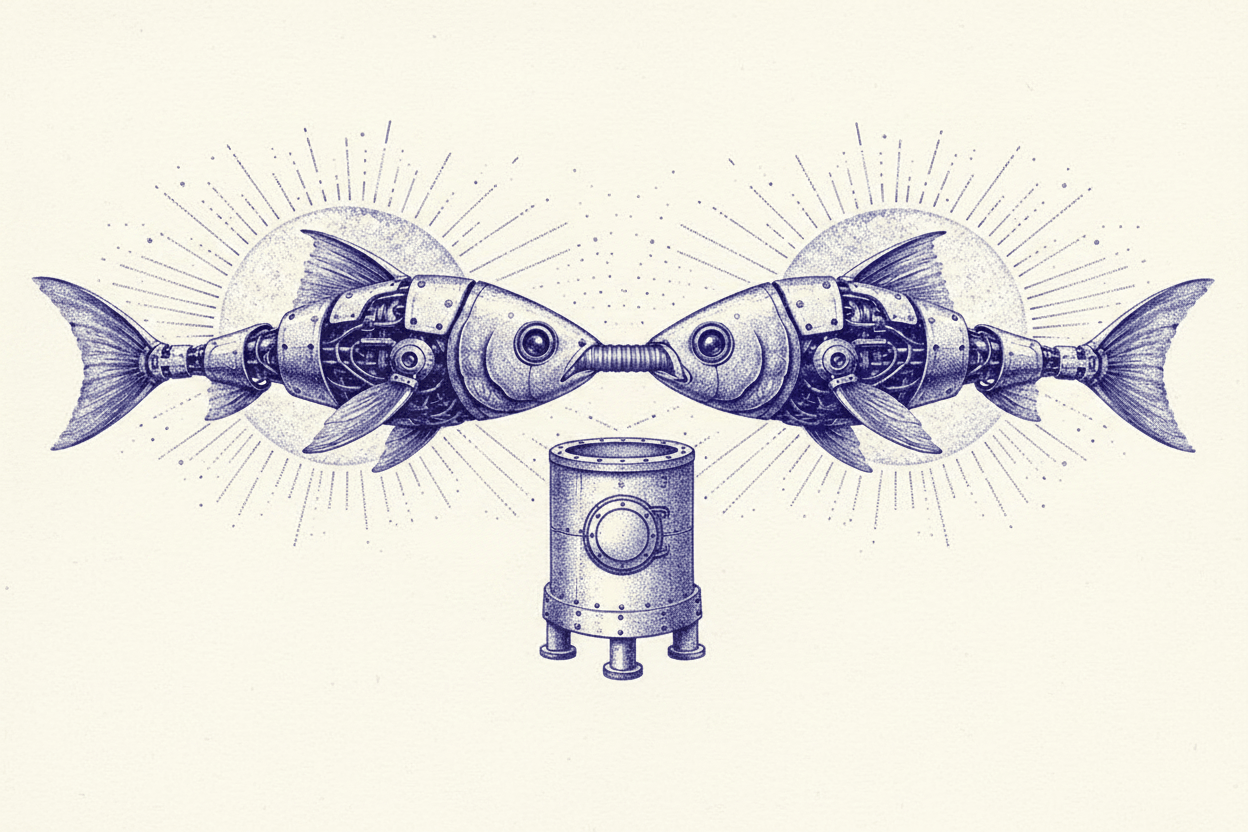 10I Made Two AI Agents Talk in One Folder — OpenClaw + Claude CodeI tried four different models for OpenClaw — one of them silently drained my Claude Max quota. Then I realised connecting two agents is less about the models and more about the folder they share.Read the piece →
 11Multi-Agent Systems & Obsidian — Building a Developer Army with Claude CodeThe same work split across four specialists running in parallel, all of them inside your terminal. Planner and executor architecture, skill files, and why Obsidian fits the equation.Read the piece →
 12Using Claude Code Like a Pro — CLAUDE.md, Sub-Agents, MCPEveryone talks about plugin lists. But what about the infrastructure underneath? CLAUDE.md files, sub-agent collections and MCP servers — set them up right and Claude Code becomes unrecognisable.Read the piece →